Jaskaran Singh

Jaskaran Singh, AI Researcher & Machine Learning Engineer

I am an MSc student in Computer Science with a focus on AI at the University of Nottingham, currently completing my dissertation on developing a novel loss function, MARLF (Multi-Attentive Residual Loss Function), for optimizing plant disease detection, under the guidance of Prof. Andrew French . My research primarily focuses on developing explainable deep learning algorithms for secure systems, with additional applications in healthcare and network security sectors.

I earned my B.Tech degree in Computer Science from Graphic Era University, India, in 2023. During my undergraduate studies, I worked under the guidance of Prof. Mohammad Wazid in the fields of machine learning and network security. My major project involved developing an ensemble computer vision-based drone detection system in collaboration with Prof. Ashok Kumar Das at IIIT Hyderabad, India, and Prof. Athanasios V. Vasilakos at the University of Agder, Norway.

I have also served as a research scientist with Atheropoint, USA, affiliated with the University of Idaho, and as a research intern with Samsung R&D in Bangalore. Additionally, I developed a computer vision-based flood detection application for the Ministry of Rural Development and represented India in the UNESCO India-Africa Hackathon.

In my free time, I enjoy playing badminton 🏸 and hiking 🏔️🥾.

CV   /   Email   /   Google Scholar   /   Github   /   LinkedIn

Honors and Awards

  • Represented India as a Delegate at the UNESCO India-Africa Hackathon 2022
  • University of Nottingham Developing Solutions Masters Scholarship Recipient
  • Winner at Smart India Hackathon 2022, sponsored by the Ministry of Rural Development, India
  • Bank of Baroda National Achievers Award, 2023

Academic Services

    Invited Talks:

  • Keynote Speaker on AI and Healthcare at APVIC XV organized by Asia Pacific Vascular Society
  • Keynote Speaker on AI at ISWAB’23 organized in Dehradun, India
  • Journal Reviewer:

  • IEEE Access, 2023
  • IEEE IET Communications, 2023
  • IEEE Internet of Things, 2023, 2024
  • Springer Cluster Computing, 2024
  • Nature Scientific Reports, 2024
  • Springer Cluster Computing, 2024

Publications

2024

GeneAI 3.0: powerful, novel, generalized hybrid and ensemble deep learning frameworks for miRNA species classification of stationary patterns from nucleotides
Jaskaran Singh , Narendra N Khanna, Ranjeet K Rout, Narpinder Singh, John R Laird, Inder M Singh, Mannudeep K Kalra, Laura E Mantella, Amer M Johri, Esma R Isenovic, Mostafa M Fouda, Luca Saba, Mostafa Fatemi, Jasjit S Suri
Published in Nature: Scientific reports 2024.
Paper (PDF) / Code

A secure signature‐based access control and key management scheme for fog computing‐based IoT‐enabled big data applications
Vijay Karnatak, Amit Kumar Mishra, Neha Tripathi, Mohammad Wazid, Jaskaran Singh , Ashok Kumar Das
Published in Wiley: Security and Privacy 2024.
Paper

2023

An Ensemble-Based Machine Learning-Envisioned Intrusion Detection in Industry 5.0-Driven Healthcare Applications
Mohammad Wazid, Jaskaran Singh , Ashok Kumar Das, Joel JPC Rodrigues
Published in IEEE Transactions on Consumer Electronics 2023.
Paper / Code

An Ensemble-Based IoT-Enabled Drones Detection Scheme for a Safe Community
Jaskaran Singh , Keshav Sharma, Mohammad Wazid, Ashok Kumar Das, Athanasios V Vasilakos
Published in IEEE Open Journal of the Communications Society 2023.
Paper (PDF) / Code

SINN-RD: Spline interpolation-envisioned neural network-based ransomware detection scheme
Jaskaran Singh , Keshav Sharma, Mohammad Wazid, Ashok Kumar Das
Published in Computers and Electrical Engineering 2023.
Paper / Code

Secure Blockchain-Enabled Authentication Key Management Framework with Big Data Analytics for Drones in Networks Beyond 5G Applicationss
Amit Kumar Mishra, Mohammad Wazid, Devesh Pratap Singh, Ashok Kumar Das, Jaskaran Singh , Athanasios V Vasilakos
Published in Drones 2023.
Paper (PDF) / Code

Attention-enabled ensemble deep learning models and their validation for depression detection: A domain adoption paradigm
Jaskaran Singh , Narpinder Singh, Mostafa M Fouda, Luca Saba, Jasjit S Suri
Published in Diagnostics 2023.
Paper / Code

An embedded LSTM based scheme for depression detection and analysis
Jaskaran Singh , Mohammad Wazid, D.P. Singh, Sumit Pundir
Published in Elsevier: Procedia Computer Science (4th International Conference on Innovative Data Communication Technology and Application) 2023.
Paper (PDF) / Code

Design of a Contextual IoT Framework for the Improved User Experience and Services
Jaskaran Singh , Doman Sarkar, Mohammad Wazid, Ankit Taparia, Dhaval Kishore Bisure, Noor Mohd
Published in Springer: Recent Trends in Artificial Intelligence and IoT Conference 2023.
Paper / Code

Explainable artificial intelligence envisioned security mechanism for cyber threat hunting
Jaskaran Singh , Keshav Sharma, Mohammad Wazid, Ashok Kumar Das
Published in Wiley: Security and Privacy 2023.
Paper (PDF)

2022

Machine learning security attacks and defense approaches for emerging cyber physical applications: A comprehensive survey
Jaskaran Singh , Mohammad Wazid, Ashok Kumar Das, Vinay Chamola, Mohsen Guizani
Published in Elsevier: Computer Communications 2022.
Paper

ASCP-IoMT: AI-enabled lightweight secure communication protocol for internet of medical things
Mohammad Wazid, Jaskaran Singh , Ashok Kumar Das, Sachin Shetty, Muhammad Khurram Khan, Joel JPC Rodrigues
Published in IEEE Access 2022.
Paper (PDF)

Security in IoMT‐driven smart healthcare: A comprehensive review and open challenges
Neha Garg, Mohammad Wazid, Jaskaran Singh , DP Singh, Ashok Kumar Das
Published in Wiley: Security and Privacy 2022.
Paper (PDF)

* co-first author


Research

My research interests center around building deep learning algorithms and explainable AI, with a focus on developing interpretable models in areas such as healthcare, security, and the Internet of Things (IoT). Over the past few years, I have also worked on contextual recommendation engines and created interpretable security systems using deep learning techniques.

Currently, my focus is toward developing computer vision algorithms embedded within hyperbolic paradigm. My long-term goal is to contribute to the advancement of attention-infused, generalizable AI systems that enhance autonomous decision-making.


Computer Vision


GIF description

EDDSBS & VBSF-TLD: Advanced Drone Detection and Optimization Framework

First Author | IEEE Open Journal of the Communications Society
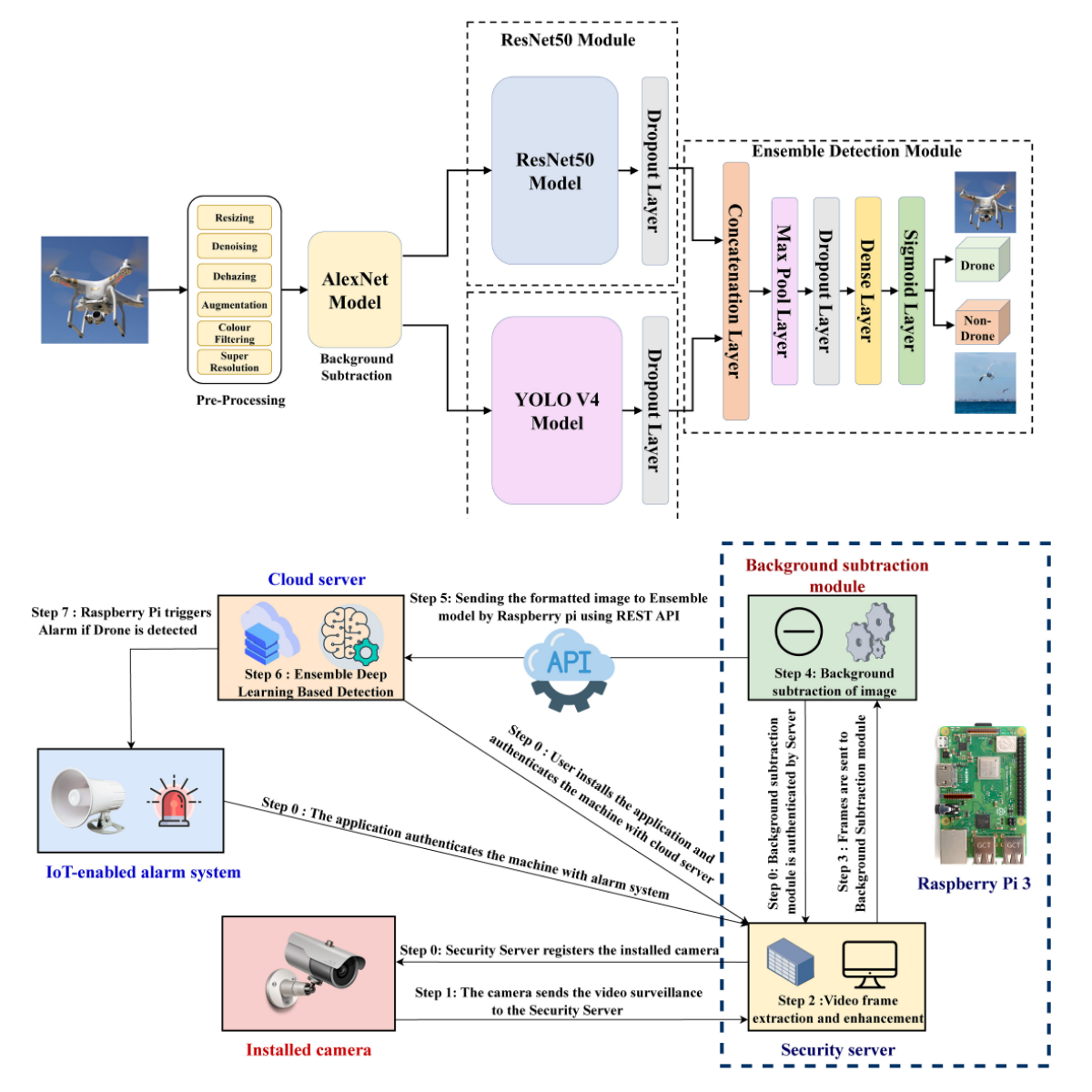
Part 1: EDDSBS - Ensemble-Based IoT-Enabled Drones Detection Scheme
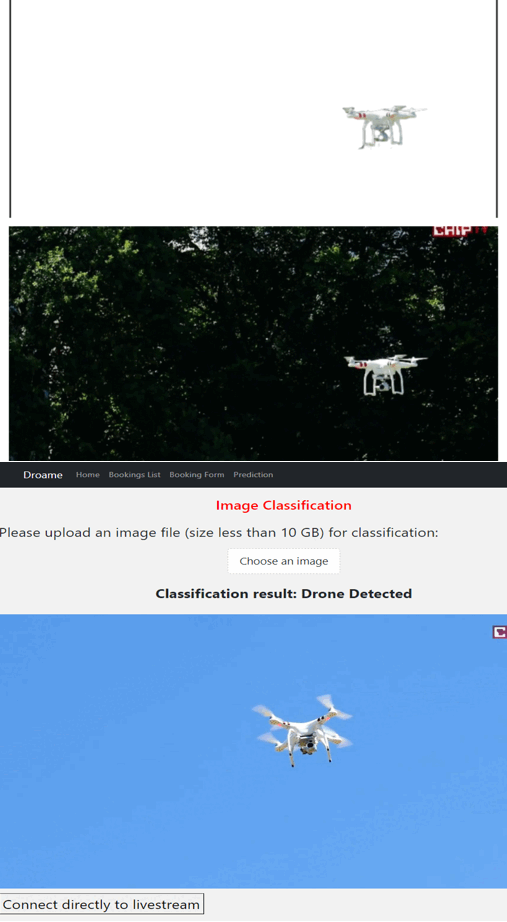
Developed an ensemble-based drone detection model (EDDSBS) integrating advanced transfer learning techniques to enhance detection accuracy of IoT-enabled drones. By leveraging pre-trained models from related domains, the system significantly reduces the need for extensive training datasets. The architecture combines Convolutional Neural Networks (CNNs) and machine learning classifiers to ensure real-time precision in high-security zones like airports and military bases. Tested on prominent benchmark datasets such as Drone-vs-Bird and UAVDT, EDDSBS outperforms existing detection methods by incorporating IoT sensors with real-time analytics for improved security and privacy protection.

GIF description


Part 2: VBSF-TLD - Validation-Based Soft Computing Approach for Drone Detection Building on EDDSBS, VBSF-TLD introduces a validation-based transfer learning framework that leverages soft computing principles. This sub-model incorporates Particle Swarm Optimization (PSO) with the FastRCNN detection framework, dynamically adjusting parameters during training to optimize localization and classification in complex environments. The system’s adaptability and accuracy were enhanced further through U-Net-based background subtraction, improving precision in challenging conditions. The dual approach of EDDSBS and VBSF-TLD ensures a comprehensive solution to drone detection, optimizing performance across various environmental conditions.

First Paper Preprint Second Paper Code


GIF description

Computer Vision-Based Early Flood Prediction System for Rural Roads

Winner @ (Smart India Hackathon 2022) | Adopted by the Ministry of Rural Development, India
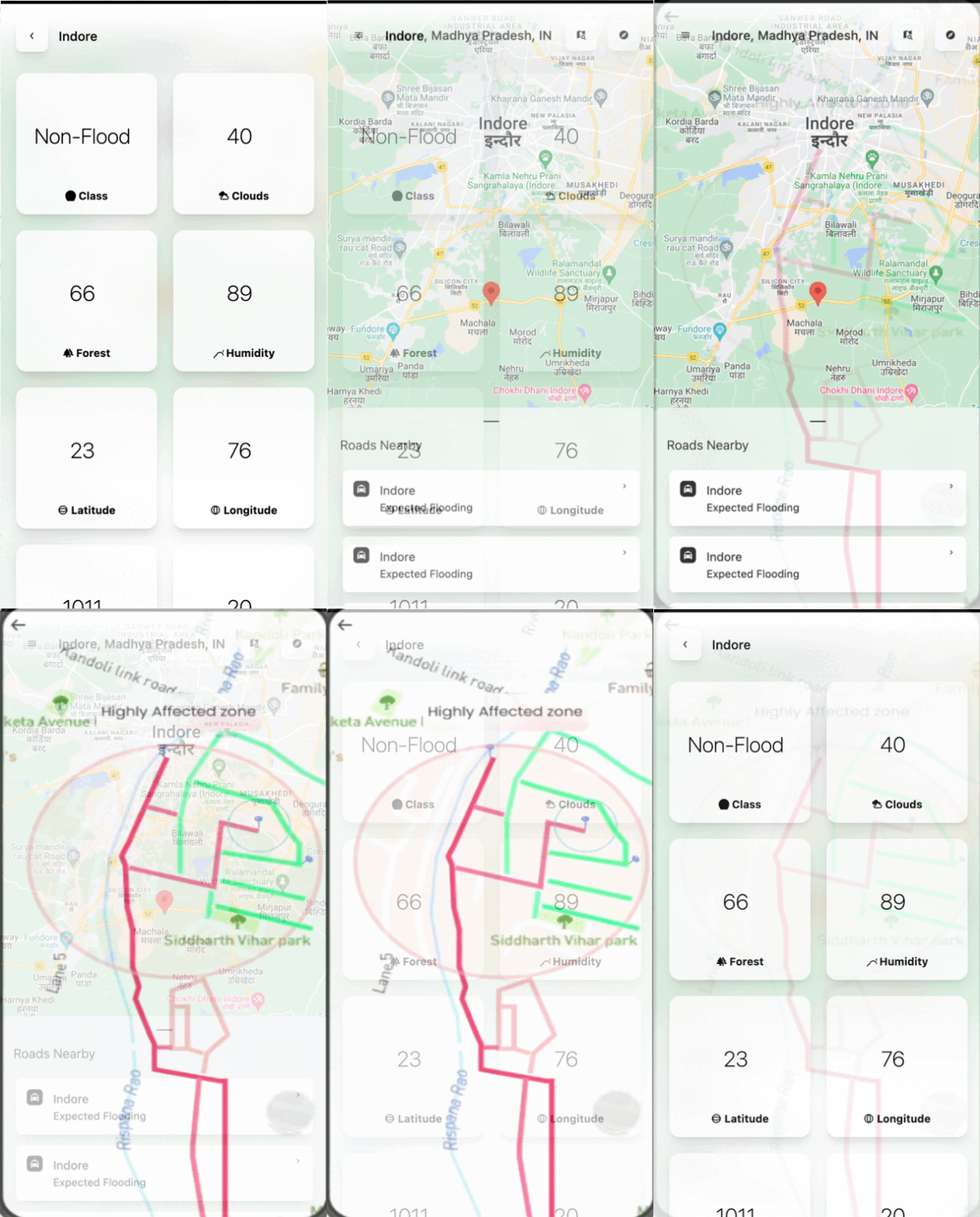
Designed and developed a cloud-hosted computer vision model integrated with an explainable AI module to predict early flood risks, specifically focused on rural roads and infrastructure. The system analyzed satellite imagery and extracted critical data, including road quality, climate conditions, forest cover, and cloud cover, to anticipate potential flood occurrences. A custom backend engine built using Python employed advanced mathematical models to derive elevation angles and drainage areas, further refining the model's capacity to predict flood-affected zones. The frontend was developed using Next.js, enhancing accessibility and scalability. This project won the Smart India Hackathon 2022 and was recognized by the Ministry of Rural Development, leading to its adoption as a disaster management tool to protect rural roads.
Code


GIF description

TextAI 4.0 (Psych): Deep Learning Attention enabled Fused Multimodal paradigm for depression analaysis

First Author| Preprint
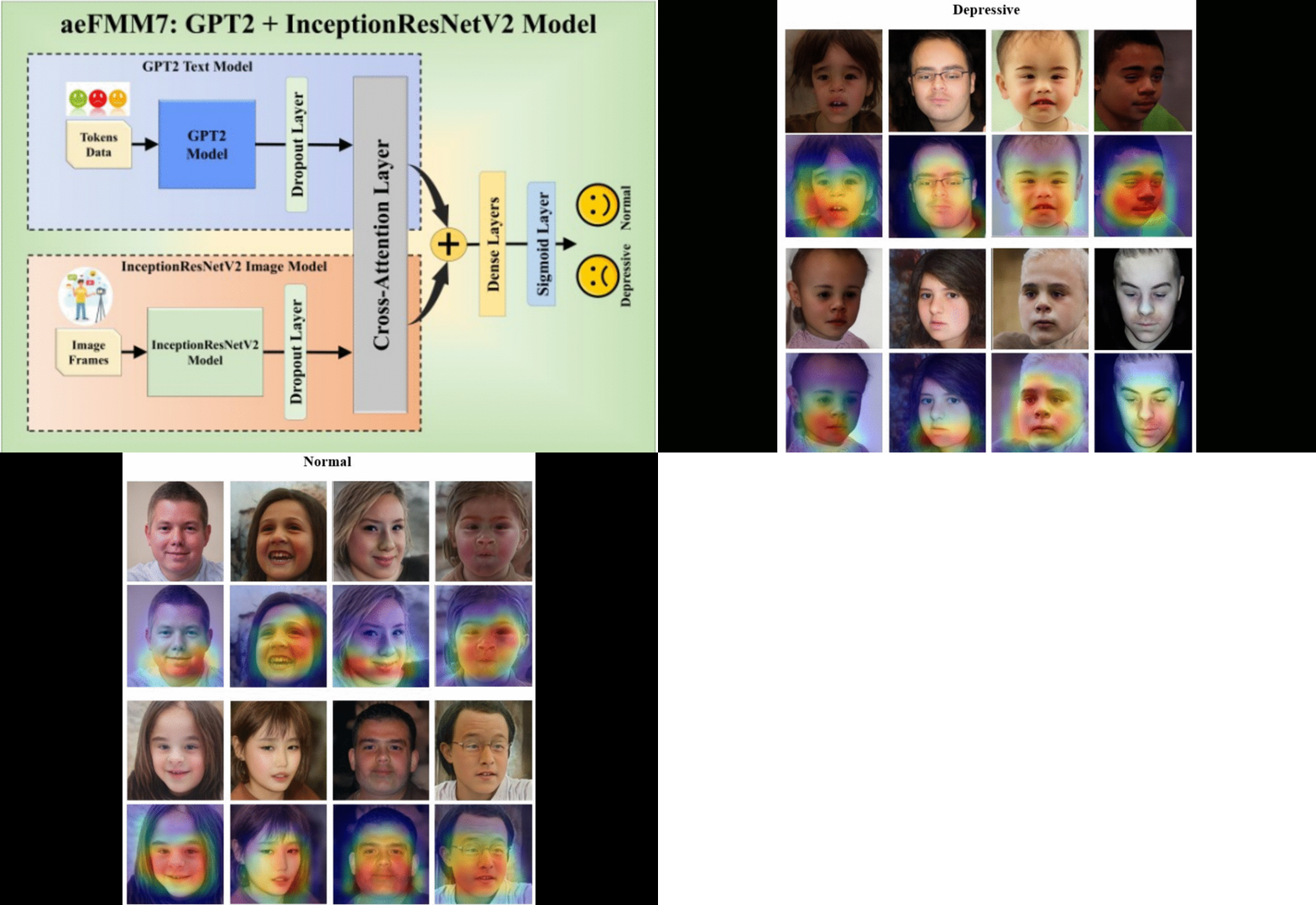
Developed "TextAI 4.0 (Psych)," a deep learning attention-enabled fused multimodal paradigm embedded with explainability for depression detection in cross-domain frameworks. The model integrates 28 AI sub-models, combining text-based transformers (BERT, ALBERT, GPT) and vision-based networks (ResNet, VGG, Inception) through a fused multimodal architecture. Leveraging self-attention mechanisms, the system focuses on relevant features across text and visual data, improving detection accuracy and cross-domain robustness with minimal training data. The model incorporates explainability tools like GradCam and LIME to ensure interpretability, demonstrating enhanced accuracy and F1 scores in real-time depression detection
Code


GIF description

DermAI 1.0: A Robust, Generalized, and Novel Attention-Enabled Ensemble-Based Transfer Learning Paradigm for Multiclass Classification of Skin Lesion Images

Developer | MDPI (1st Version) | Preprint (2nd Version)
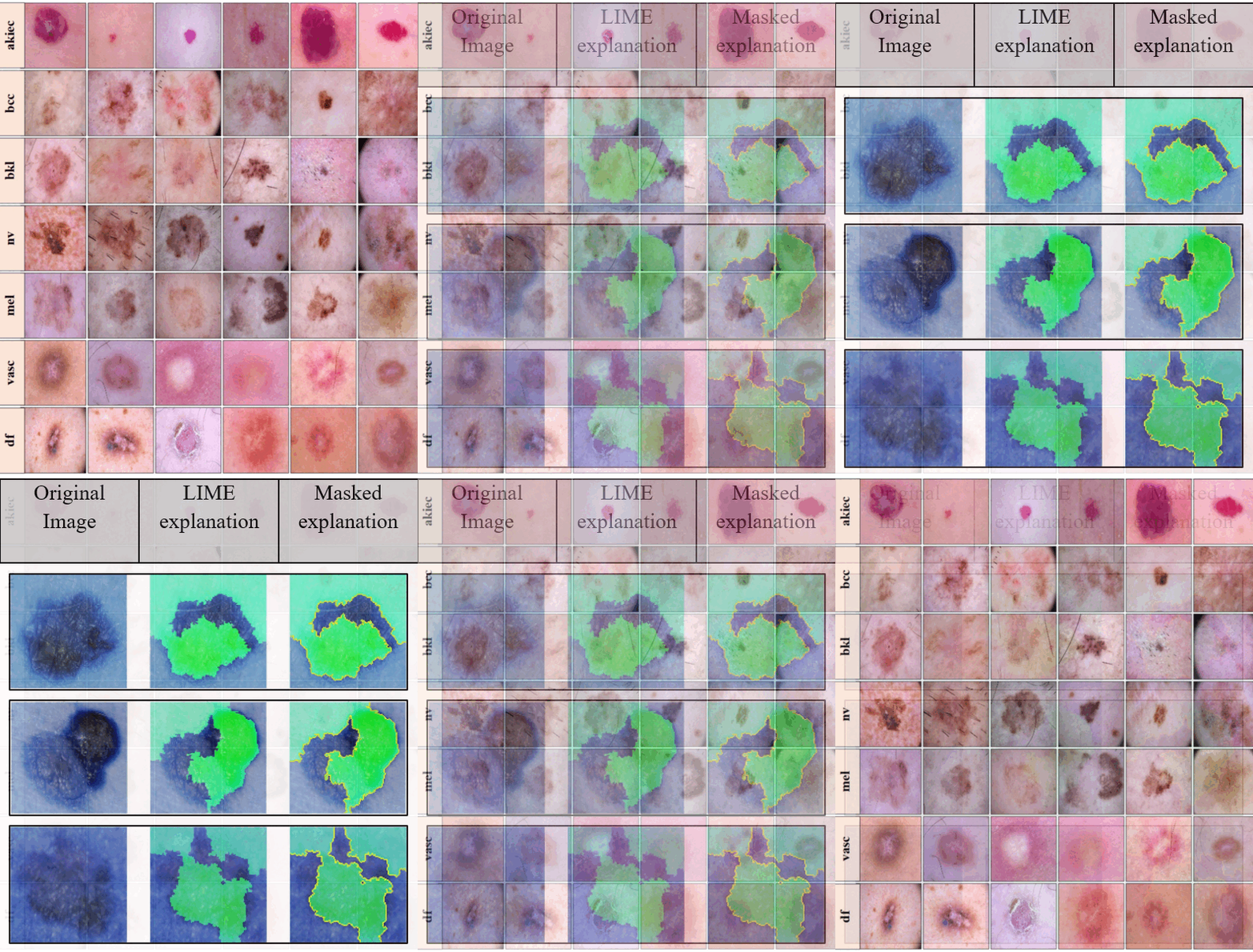
: Developed DermAI 1.0, an attention-enabled ensemble-based deep learning model for multiclass skin lesion classification. This system leverages seven pre-trained transfer learning (TL) models and combines advanced ensemble techniques: stacking, softmax voting, and weighted averages to improve diagnostic precision. Attention mechanisms were integrated into attention-enabled TL (aeTL) models, which were further optimized into attention-enabled ensemble-based deep learning (aeEBDL) models. The model incorporates explainable AI techniques Gradient-weighted Class Activation Mapping (GradCam), and Local Interpretable Model-agnostic Explanations (LIME), offering transparency into the decision-making process, enhancing trust and interpretability in clinical diagnoses. This framework delivers a robust and adaptive solution for skin lesion classification.
Paper Code


AI for Healthcare


GIF description

GIF description

GeneAI 3.0: A Hybrid Deep Learning Framework for miRNA Species Classification with Advanced Feature Extraction

First Author| Nature Scientific Reports 2024
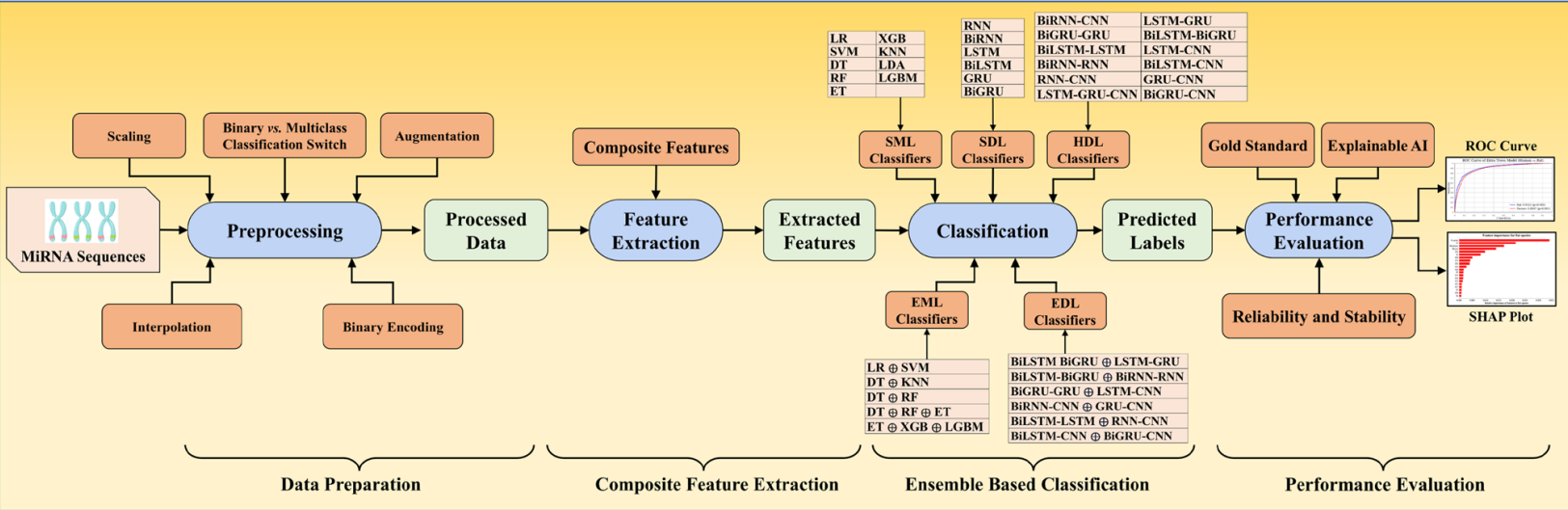
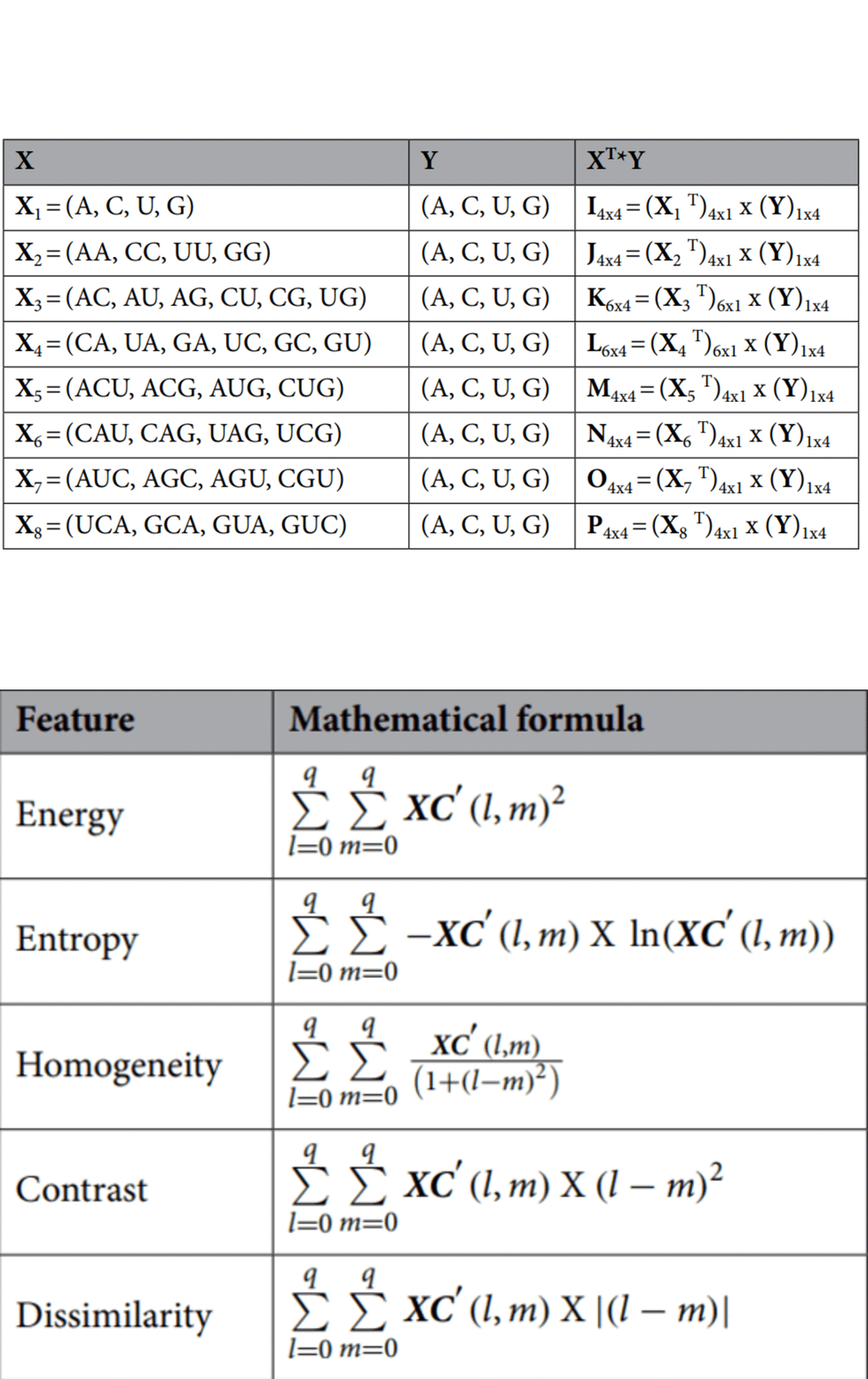
We developed GeneAI 3.0, an advanced deep learning framework designed for the classification of miRNA species, with a strong emphasis on feature extraction. The framework processes miRNA sequences, which consist of nucleotide bases A, C, U, and G, by analyzing their inherent co-occurrences and dependencies. To capture the intricate relationships between these nucleotides, we extracted five conventional texture features — Entropy, Dissimilarity, Energy, Homogeneity, and Contrast — from the nucleotide sequences. In addition to these conventional features, we integrated three contemporary features: Shannon Entropy, Hurst Exponent, and Fractal Dimension. Shannon Entropy quantifies the uncertainty and randomness within the sequence, while the Hurst Exponent evaluates long-term dependencies and self-similarity in the sequence. The Fractal Dimension was used to describe the complexity and irregularity of the sequence's structural patterns, enabling deeper insights into the miRNA's behavior. We transformed the nucleotide arrangements into high-dimensional vector combinations based on these extracted features. Each miRNA sequence was mapped into this feature space, allowing the model to leverage both conventional and contemporary characteristics for precise classification. Through leveraging ensemble deep learning (EDL) and machine learning (EML) techniques, GeneAI 3.0 demonstrated superior performance in both binary and multiclass classification tasks, outperforming traditional models in terms of accuracy and reliability. This model was benchmarked against several solo and ensemble models, showcasing its efficacy in gene sequence analysis, with extensive validation using explainable AI (XAI) to interpret the classification results.
Paper Code


GIF description

Diabetic complication detection and mitigation using Knowledge base filtering

Joint Winner| Young Innovator's Award
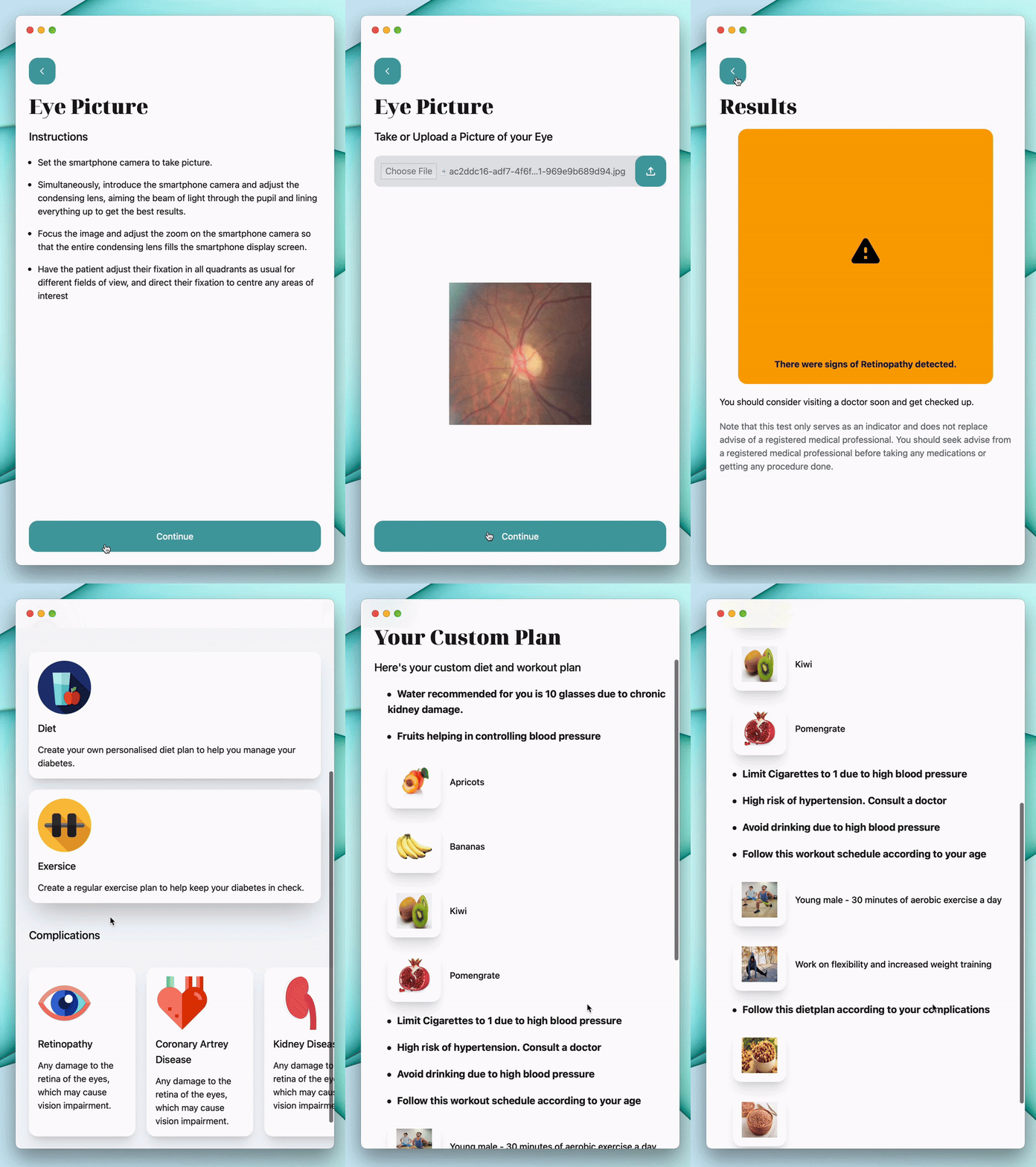
We developed a comprehensive detection framework aimed at identifying diabetic complications such as diabetic retinopathy, kidney disease, and cardiovascular conditions. This framework utilized a VGG19-based convolutional neural network architecture in TensorFlow to enable precise pattern recognition from medical imaging and clinical data. The model was specifically fine-tuned to classify diabetic retinopathy from retinal fundus images and was expanded to include additional layers for predicting kidney dysfunction and heart conditions associated with chronic diabetes. To further enhance patient management, we implemented a knowledge-based filtering recommender system and uses Neo4j (Graph-DBMS) for constructing a semantic graph database. This system analyzes patient profiles, historical medical data, and treatment outcomes to recommend personalized interventions for mitigating the risks of diabetic complications. We also developed a React-based front-end application for patient interaction, providing users with real-time insights into their health metrics. The project was presented at the InnoHealth conference, where it was recognized with the Young Innovators Award for its innovative approach to detecting diabetic complications and delivering personalized healthcare solutions.
Code


GIF description

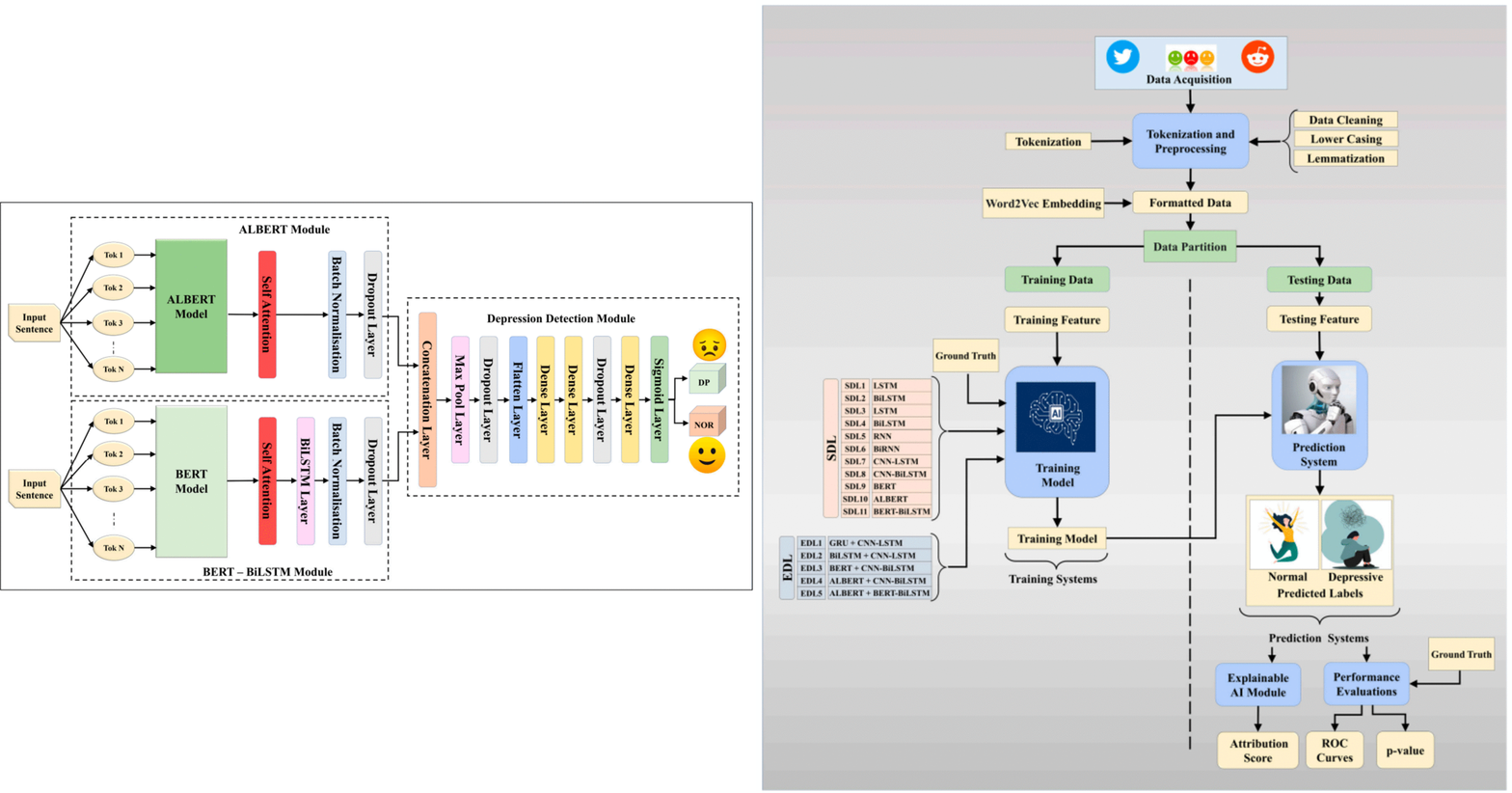
Attention-Enabled Ensemble Deep Learning Models for Depression Detection

First Author| Diagnostics
In this project, we developed attention-enabled ensemble deep learning (aeEDL) models designed for depression detection, focusing on a cross-domain adoption framework. We integrated self-attention mechanisms within ensemble architectures to enhance the model’s ability to focus on critical input features, improving detection accuracy. The system utilizes a combination of multiple solo deep learning models such as BERT, BiLSTM, GRU, and CNN, merging their outputs for superior performance. The model was rigorously validated using both seen and unseen datasets across multiple domains, demonstrating an overall accuracy improvement of up to 5% when compared to solo deep learning counterparts. These advancements position our framework as a robust solution for identifying depression across diverse datasets in real-world applications.
Paper Code


ML Security and IDS Systems


GIF description

ASCP-IoMT: AI-enabled Lightweight Secure Communication Protocol for the Internet of Medical Things (IoMT)

Collaboration with CoE-AIML and Sponsered by US Department of Defense| IEEE Access 2022
We developed ASCP-IoMT, an AI-enabled, lightweight, secure communication protocol designed for the Internet of Medical Things (IoMT) ecosystem. Our project focuses on enhancing the interaction between patients and healthcare providers by securely connecting devices and transmitting sensitive healthcare data over the internet. To address potential security concerns, we proposed an innovative scheme that integrates AI for predictive healthcare analytics, enabling the system to forecast phenomena such as the likelihood of heart attacks or the presence of tumors. We conducted both informal and formal security analyses, using the random oracle model, and demonstrated that our solution offers enhanced security and functionality over existing systems. Additionally, we implemented ASCP-IoMT to evaluate its impact on network performance, showing improvements in end-to-end delay and throughput across various scenarios. In the AI-based Big Data analytics phase, we applied decision trees, support vector machines, and logistic regression to healthcare data, demonstrating the effectiveness of AI-driven predictions in the IoMT environment.
Paper


GIF description


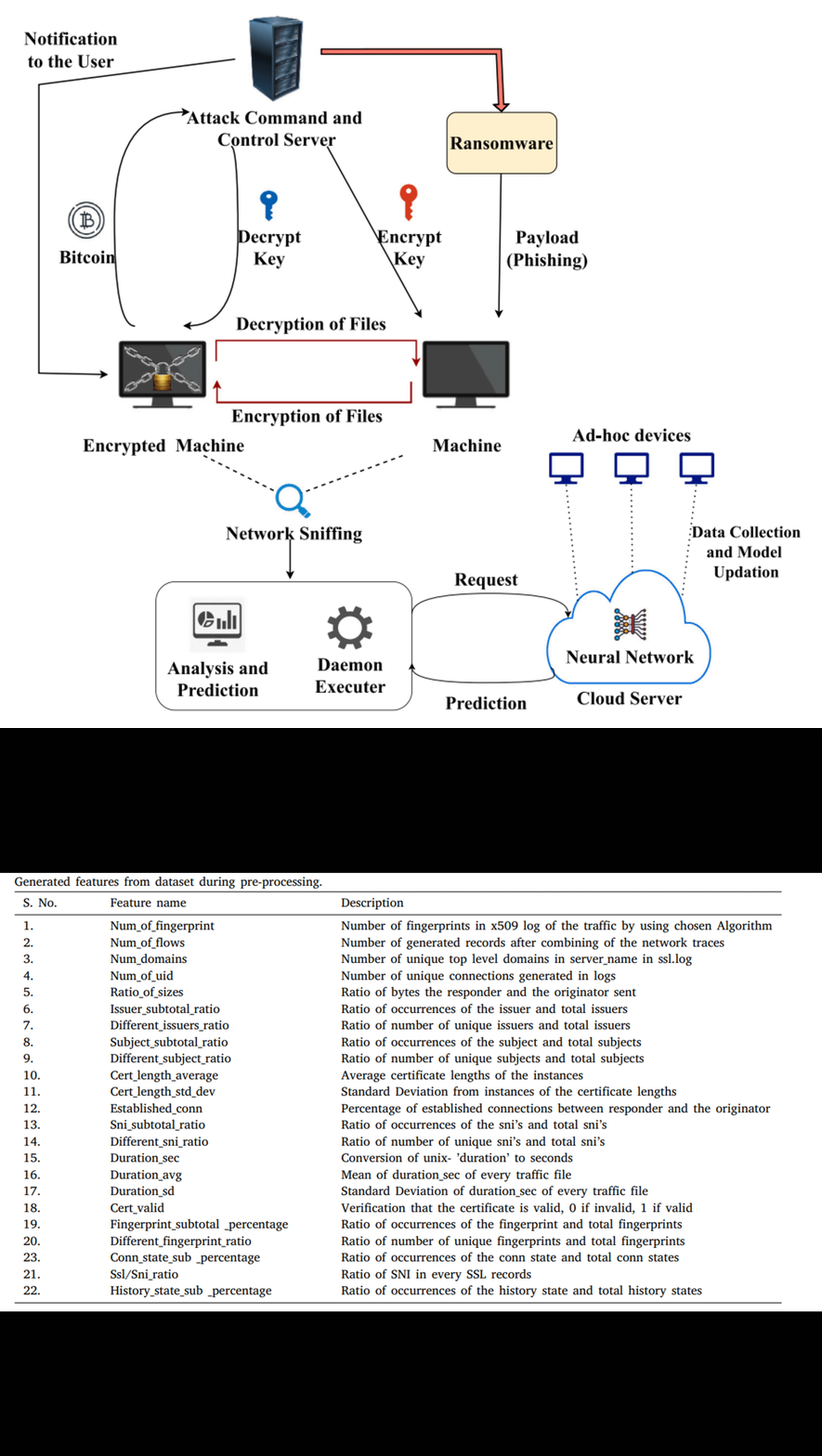
SINN-RD: Spline interpolation-envisioned neural network-based ransomware detection scheme

First Author| Elsevier Computers and Electrical Engineering
Introduced SINN-RD, a cutting-edge ransomware detection scheme utilizing Spline Interpolation-envisioned Neural Networks to address the rising threat of ransomware. The project focuses on extracting valuable features from network metadata, including log files such as conn.log, ssl.log, and x509.log, which provide detailed insights into connection states, SSL certificates, and packet information. In this project, we proposed innovative mechanisms for data normalization and feature generation from these log files, enabling more precise ransomware detection. By leveraging metadata characteristics—such as certificate validity, cipher usage, and connection states—SINN-RD enhances the ability to distinguish between benign and malicious traffic with higher accuracy. These detailed extractions allow for a deeper analysis of ransomware behavior in real-time traffic. The security analysis demonstrated SINN-RD's robustness against multiple attack vectors, while practical implementation revealed improvements in accuracy, precision, and recall. Through advanced feature extraction from metadata, SINN-RD achieved superior performance compared to existing ransomware detection solutions, marking a significant advancement in ransomware mitigation strategies.
Paper Code


GIF description

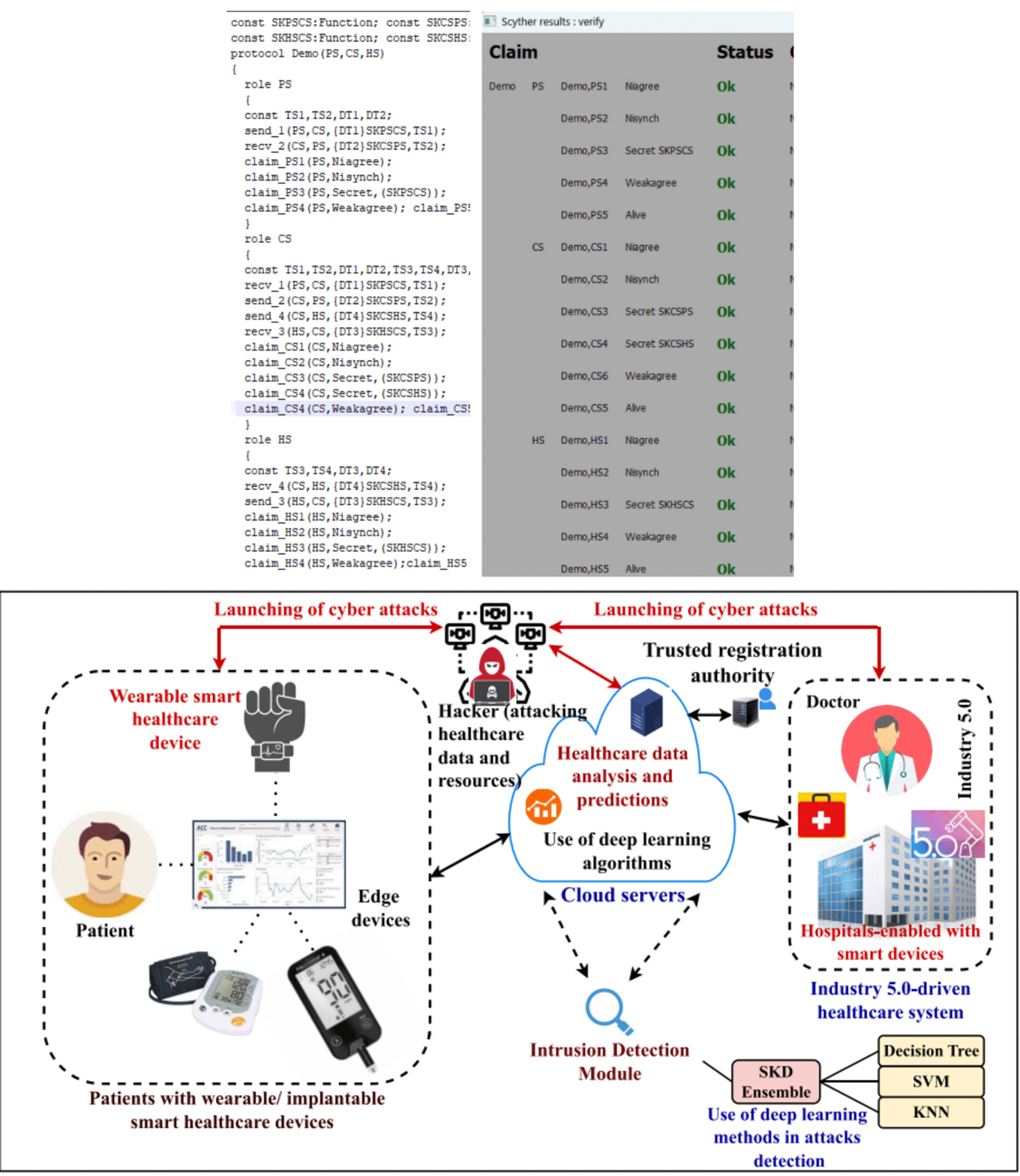
EIDS-HS: Ensemble-Based Machine Learning for Intrusion Detection in Industry 5.0 Healthcare Applications

First Author| IEEE Transactions on Consumer Electronics
We developed EIDS-HS, an advanced intrusion detection system tailored for Industry 5.0-driven healthcare systems. We designed a robust ensemble-based machine learning framework to detect and mitigate cyber threats in real-time, addressing challenges such as malware injection, unauthorized access, and data manipulation within interconnected medical networks. We applied advanced feature extraction techniques to network metadata, enabling our system to detect subtle anomalies and malicious behaviors that standard methods often overlook. The system processes both structured and unstructured traffic from healthcare IoT devices, allowing comprehensive threat detection across multiple levels of the healthcare network. By integrating decision trees, KNN, and support vector machines, we achieved a dynamic and adaptable intrusion detection system capable of real-time response to evolving security threats. Our solution was specifically designed to protect sensitive medical data and ensure the integrity of healthcare operations, providing a scalable and effective defense for modern healthcare infrastructures.
Paper Code


Curriculum Vitae


Education

University of Nottingham, Nottingham, UK

Master of Science in Computer Science with specialization in Artificial Intelligence Sep 2023 - Sep 2024

Graphic Era Deemed to Be University, Dehradun, India

Bachelor of Technology in Computer Science with Distinction Aug 2019 - Jun 2023


Professional Experience

IntelliDigest, Edinburgh - Intern, Machine Learning Feb 2024 - Sep 2024

  • Developed a soil nutrient composition model for farmlands using multispectral satellite images through ensemble deep learning models.
  • Utilized Google Earth Engine to gather satellite images at various spatial resolutions, constructing a model API with a Flask backend.
  • Constructed a crop recommendation system for farmers, leveraging acquired nutrient composition data and end-user meal plans.

Grey Orange Robotics, Gurgaon, India - Intern, Machine Learning Jun 2022 - Aug 2022

  • Expanded the utility of the backend AI engine and integrated it with an autonomous mobile robot.
  • Conceptualized an image recognition software to detect and alert fallen objects near shelves using TensorFlow Lite and Docker Container.
  • Built a Jenkins pipeline for deploying the image recognition software.

Samsung Research Institute, Bangalore, India - Intern, Research Department Jul 2021 - Feb 2022

  • Developed a Kotlin application for Android devices to maintain contextual environmental data in a MongoDB database.
  • Built an AI-based recommender system for predicting suitable device behavior, integrated as a module using a Flask API.
  • Improved the overall system efficiency by 31% over 5 use cases; integrated into Samsung's smart device ecosystem as an SDK.

Leadership/Volunteering

  • Served as the technical head of the IEEE student chapter, mentoring over 150 students and organizing workshops on machine learning and data science.
  • Represented India in the UNESCO India-Africa Hackathon, developing a blockchain-based solution for equitable water distribution in underprivileged regions.
  • Volunteered at a Mumbai-based startup focusing on recycling waste into furniture, promoting environmental sustainability.
  • s

Contact Me

I am passionate about my research and open to discussing and collaborating with others in the field of machine learning and its various applications.

Feel free to explore my research and get in touch with me. Contact me if you want to discuss my work or collaborate on projects in machine learning, AI, or their applications across various sectors.

Best way to reach me is via email:

  • Primary: jaskaran.jsk2001 [at] gmail.com
  • Secondary: singhk.jaskaran [at] gmail.com
  • Academic: psxjs24 [at] nottingham.ac.uk
-->